Apple’s Wild 2027 Rumors: Six New iPhones and a Complete Strategy Overhaul
Apple’s release schedule has felt like clockwork for over a decade. Every September, we get the same ritual: four shiny new premium slabs drop, and maybe a budget SE pops up in the spring if we’re lucky. But the word coming out of Asian supply chains right now suggests that old playbook is getting tossed out.
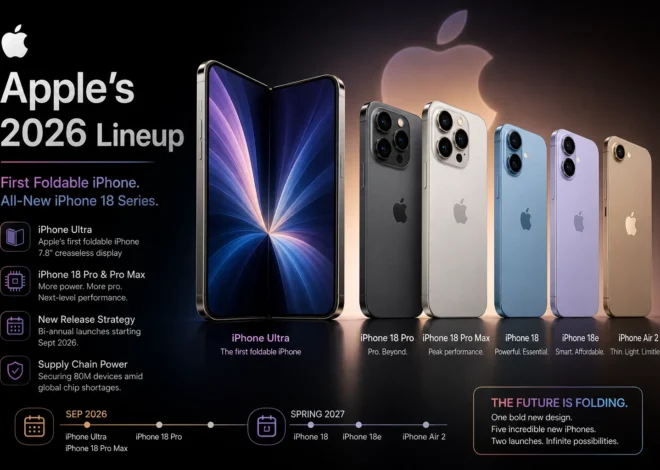
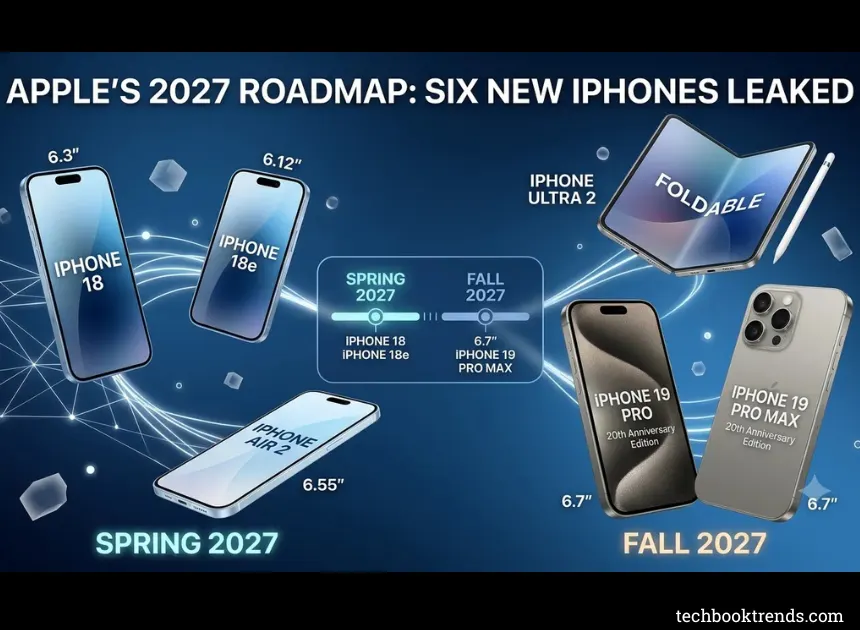
Apparently, Apple wants to launch six completely different iPhones throughout 2027.
Instead of dumping everything into a single chaotic week in September, they’re looking at splitting the year in half. We’d get a big mainstream rollout in the spring, and then save the ultra-premium powerhouses for the fall. It sounds messy, but honestly, it makes perfect sense given how the market looks right now.
Why the Single September Launch is Dying
Let’s look at how people actually buy phones now. Nobody upgrades every single year anymore because the hardware simply got too good. A three-year-old device handles daily app scrolling and gaming without breaking a sweat. Since the massive annual September cash rush is slowing down, Apple needs a new way to keep people paying attention.
Spacing things out changes the game. It lets Apple dominate tech headlines all year long instead of letting Samsung, Google, or OnePlus steal the spotlight all summer. It also stops their own devices from killing each other’s momentum. If you launch six different phones on the exact same afternoon, half of them get completely ignored. A split schedule gives each model room to breathe. On top of that, it fixes the brutal manufacturing bottleneck where factories have to build eighty million units for a single week in autumn.
The Spring Wave: Mainstream Slabs Coming Early
The first half of 2027 focuses entirely on daily reliability, form factor tweaks, and keeping prices realistic. Component leaks tracking screen orders indicate these three models land right before March.
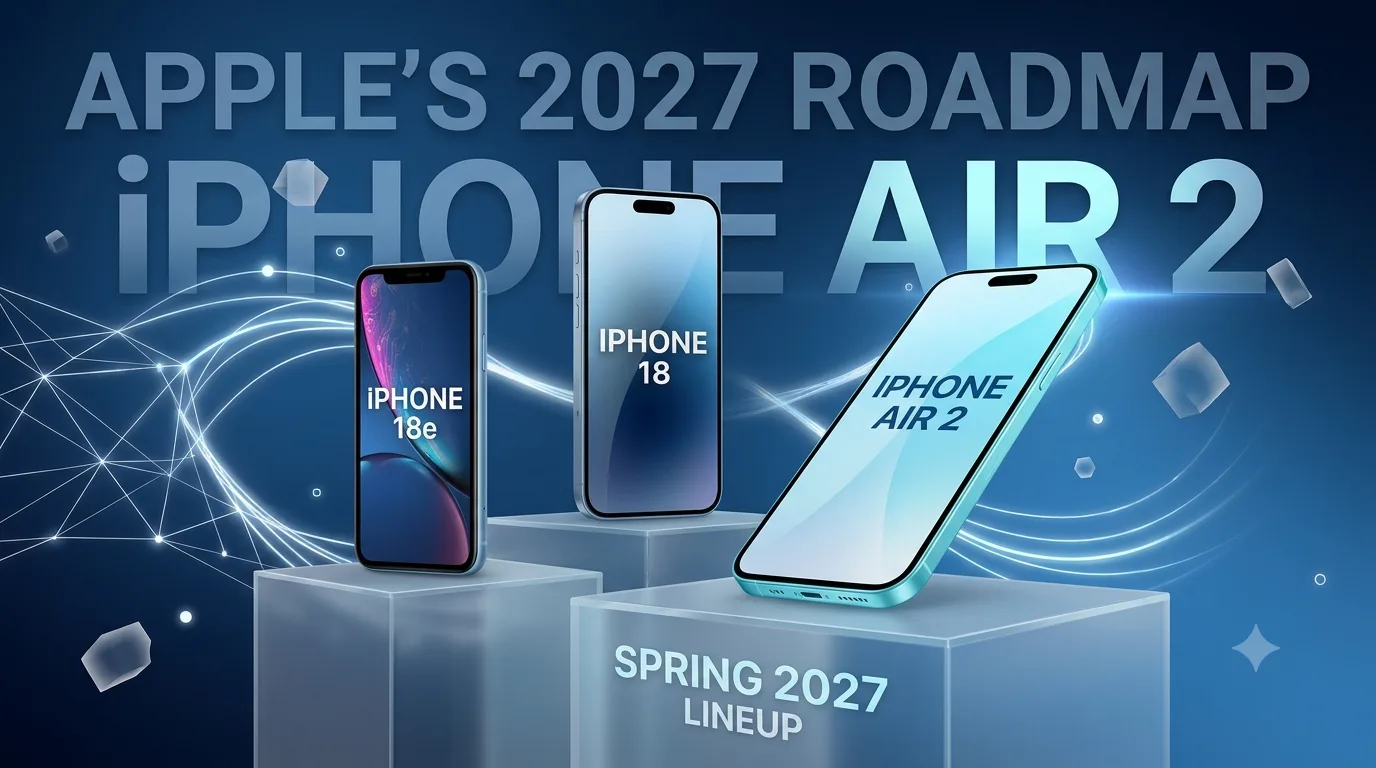
iPhone 18 (The Standard)
The basic baseline model gets a big display bump to a 6.3-inch OLED panel. The huge news here is that Apple is finally bringing its smooth 120Hz ProMotion tech down to the standard model via an LTPO screen. It gives everyday buyers a massive performance jump without forcing them into a pricey Pro model. It will handle standard processor speed updates and dual-lens tweaks without premium upcharges.
iPhone 18e
This one replaces the old SE branding permanently, anchoring the budget entry-level slot. It scales down to a tighter 6.12-inch footprint. Expect a slower 60Hz LTPS screen to keep the retail price low, but it finally ditches the ancient notch for the Dynamic Island layout up top.
iPhone Air 2
Apple seems obsessed with turning “ultra-thin” into its own high-end design aesthetic. The Air 2 is rumored to house a spacious 6.55-inch 120Hz screen. You won’t get a heavy triple-lens Pro camera block on the back, but the whole pitch is an impossibly thin metal frame and a 2nm chip built to squeeze great battery life out of a thin chassis.
The Fall Heavyweights: Absolute Power and Luxury
When September rolls around, attention swings back to the heavy spenders, creators, and a massive milestone—the 20th anniversary of the original 2007 iPhone launch. Because of that anniversary, rumors say Apple might skip the number 19 entirely, branding these flagships as the iPhone 20 line instead.

iPhone 19 Pro (or iPhone 20 Pro)
This is the main machine for power users. Factory mold testing is reportedly wrapped up, showing off a heavily updated industrial chassis design, next-gen titanium alloys, and completely overhauled internal cooling loops so the processing chip doesn’t choke and slow down when running heavy workloads.
iPhone 19 Pro Max (or iPhone 20 Pro Max)
The undisputed giant of the traditional family. It boasts Apple’s biggest standard screen, a massive internal battery cell, and the absolute best camera glass they can manufacture—specifically an upgraded periscope zoom lens setup with custom sensors.
iPhone Ultra 2 (The Book foldable)
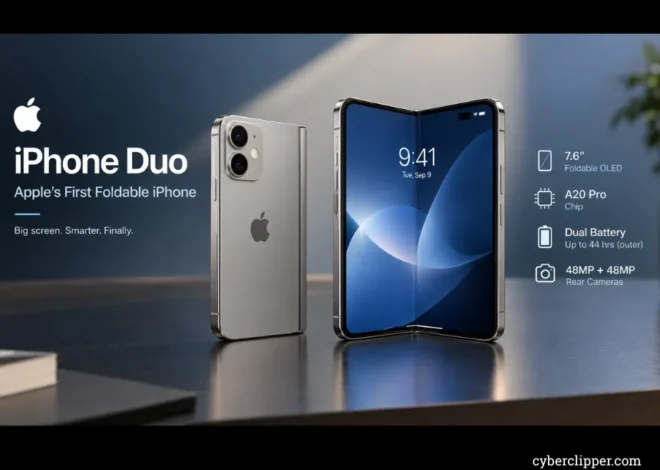
Assuming Apple drops its very first folding screen in late 2026 as analysts claim, 2027 brings this highly polished, book-style sequel. Leaks point to a massive internal folding display with a virtually invisible crease, an upgraded mechanical hinge, and full Apple Pencil stylus support. It’s an ultra-luxury flex aimed right at the $2,000-plus segment.
AI is the Real Upgrade Engine
You can’t talk about the future of iOS without talking about machine learning. By 2027, Apple Intelligence won’t just be a collection of random beta features; it’ll be the entire engine running the phone.
The main reason to upgrade won’t be about minor camera pixel changes anymore. It’s going to be about whether your hardware can actually run next-generation, local AI tasks. We’re talking a version of Siri that genuinely understands multi-step context across different apps, fully automated system workflows, and on-device photo editing tools that don’t melt your phone or kill your battery in ten minutes.
The Bottom Line
Should you hold onto a dying phone just because of a rumor about 2027? Definitely not. Current generation iPhones are incredibly capable and will easily get iOS updates into the 2030s.
But if you’re a tech enthusiast waiting for smartphones to feel genuinely exciting and experimental again, 2027 is turning into a massive year. Just keep a healthy dose of skepticism ready. Supply chain plans change constantly, and massive tech projects get quietly killed behind closed doors all the time. But if Apple actually pulls this off, the traditional smartphone market changes forever.