The Big Apple Shake-Up: Foldable ‘iPhone Ultra’ and a Radical New Release Roadmap Revealed
Apple reportedly plans first foldable iPhone and new 2026 models. Apple is gearing up for the most dramatic transformation of its smartphone strategy since Steve Jobs first pulled the original iPhone out of his pocket.
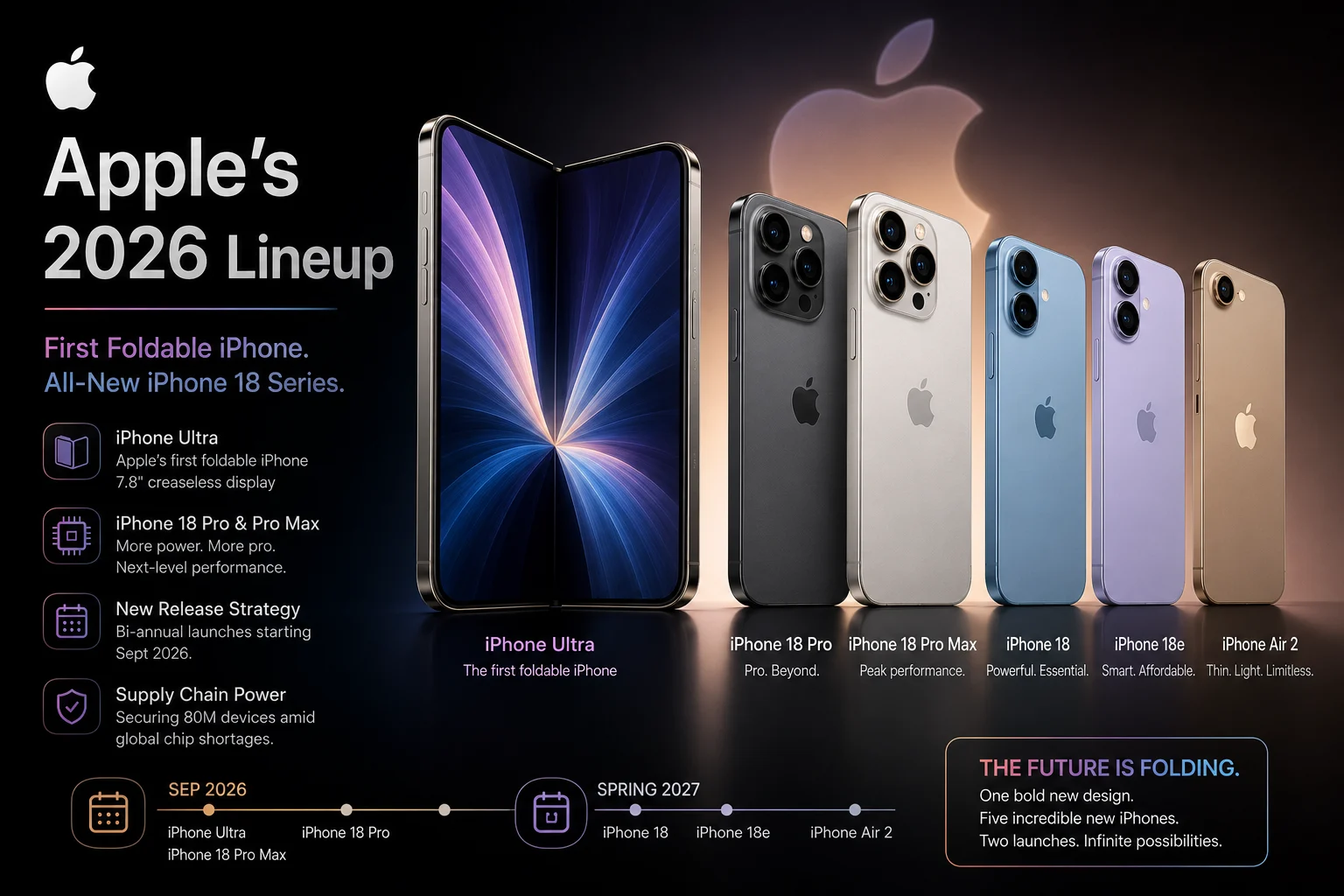
According to a landmark report from Nikkei Asia via CNBC, Cupertino is planning a massive structural shift to its hardware lineup. Headlining this new era is Apple’s highly anticipated first foldable smartphone—rumoured to be called the iPhone Ultra—set to debut in September 2026.
But a folding screen is only half the story. Apple is also completely rewriting its release playbook and flexing its trillion-dollar supply chain muscle to leave rivals scrambling. Here is everything you need to know about Apple’s radical new future.
The iPhone Ultra: Setting the New Gold Standard for Foldables
While Android manufacturers have been iterating on foldables for years.
Apple has quietly waited in the wings, aiming to fix the category’s biggest engineering flaws right out of the gate. Supply chain leaks detailed by MacRumors and CNNET suggest the iPhone Ultra will be an absolute powerhouse.
-
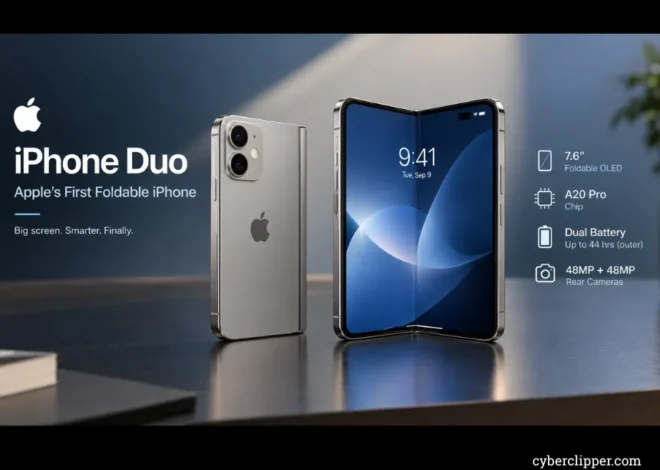
The Form Factor: The Ultra will adopt a book-style horizontal fold. When closed, you’ll use a comfortable 5.5-inch outer display. Unfold it, and you are greeted by a massive 7.8-inch inner display that effectively turns your phone into an iPad.
-
The “Creaseless” Holy Grail: Apple has reportedly co-engineered a revolutionary hinge and custom display panel with Samsung. The goal? A virtually creaseless screen that solves the aesthetic flaw plaguing current foldables.
-
Premium Materials: To keep a folding device from feeling like a brick in your pocket, Apple is rumoured to be using a hybrid titanium-aluminum frame, ensuring it remains ultra-thin and lightweight.
-
Biometrics Shift: Because the two chassis halves are incredibly thin, traditional Face ID hardware might face space constraints. Rumours suggest Apple may bring back Touch ID (likely integrated into the power button) alongside or in place of Face ID.
-
Smart Software: References found in early iOS 27 betas show that the operating system will have built-in awareness of the hinge’s exact angle. Apps will seamlessly shift layouts on the fly when the phone is partially or fully unfolded.
The Catch? Innovation this massive won’t come cheap. Due to the complexity of the components, the iPhone Ultra is expected to start between $1,999 and $2,500 (roughly ₹2.1 Lakh to ₹2.5 Lakh in India).
Despite the eye-watering price tag, Apple has aggressively boosted its initial production targets to 10 million units for this year alone—a massive sign of confidence in consumer appetite for premium tech.
Goodbye September Monolith: The New Bi-Annual Release Strategy
For over a decade, the tech world has revolved around Apple’s singular September event. That tradition is about to break. To sustain intense consumer interest year-round and respond faster to market shifts.
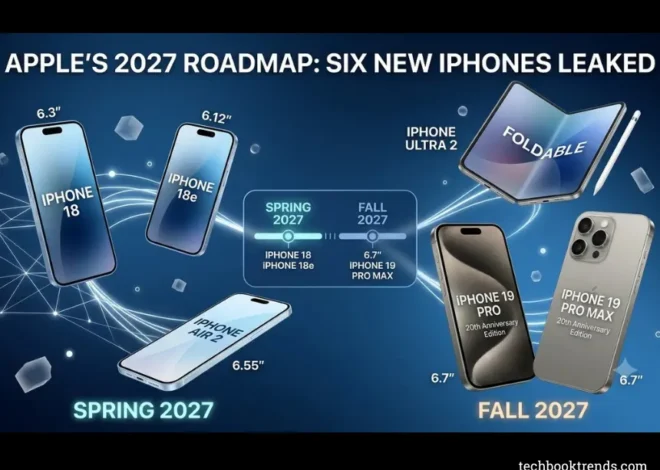
Apple is moving toward a bi-annual release roadmap featuring at least five new models spanning late 2026 through early 2027.
Apple’s Split Release Roadmap
| Launch Window | Model Variant | Segment & Strategy |
| September 2026 |
• iPhone Ultra (Foldable)
• iPhone 18 Pro
|
Flagship Wave: Apple is prioritizing its highest-margin, top-tier premium hardware during its traditional autumn window to capture holiday sales. |
| Spring 2027 |
• Standard iPhone 18
• iPhone 18e
• iPhone Air 2 |
Mid-Tier Wave: Pushing entry-level and slimmer models to spring extends the retail shelf life of older devices to an 18-month cycle. |
Flexing Supply Chain Muscle in a Global Component Crisis
Apple’s aggressive expansion comes at a chaotic time for the tech sector. The global explosion of AI data centres has triggered a severe memory chip shortage, driving up component costs across the entire industry.