








Amazon’s Epic Plan to Blanket the World in Wi-Fi?
5 mins read

Amazon’s Epic Plan to Blanket the World in Wi-Fi?

You’ve probably seen “Amazon Project Kuiper Satellite Launch” popping up in your news feed, especially with all the exciting buzz about satellite launches. If you’re scratching your head wondering what it’s all about and why it’s being treated as such a massive deal, you’ve come to the right place. Honestly, it’s one of the most ambitious tech stories happening right now, and it’s worth understanding because it could change a lot for a lot of people.

Let’s just take a second to think about how deeply the internet is woven into our daily lives. It’s not just a utility anymore; it’s our office, our classroom, our local cinema, our family photo album, and our primary connection to the world. Many of us can’t imagine a day without it. We rely on it for remote work, our kids depend on it for school projects, and it’s how we see the faces of loved ones who live far away.

Now, try to imagine living somewhere where that connection is just a fantasy. Where “buffering” is a permanent state of being, or where there’s simply no signal at all. That’s the frustrating reality for millions of people across the globe, from small towns in the American heartland to villages nestled in the Himalayas. This is the “digital divide,” and it’s a huge barrier to opportunity. Amazon, a company known for thinking big, looked at this global challenge and came up with a wild, almost sci-fi solution,

What is this Amazon Project Kuiper Satellite Launch Thing, Anyway?

kuiper project

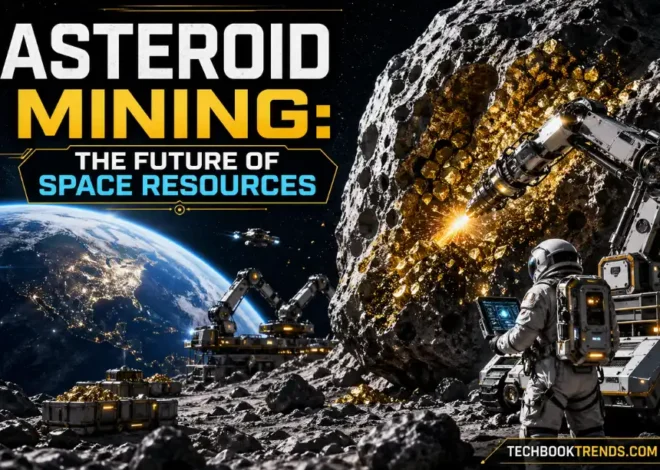
In the simplest terms, Project Kuiper is Amazon’s massive undertaking to launch a constellation of thousands of satellites into space. The mission? To create a global internet service that is fast, reliable, and—this part is key—actually affordable for regular people and communities. The goal is to bring high-speed connectivity to all the places that fiber optic cables and cell towers have forgotten or found too difficult to reach.

Think of it as building a seamless, invisible mesh network that wraps around the entire planet. This web of satellites will work in perfect harmony, beaming a powerful internet signal down to pretty much every square inch of the globe. We’re talking about finally connecting rural farms where a farmer could get real-time crop data, remote schools where students could access the world’s libraries, and small businesses that could suddenly have a global customer base. It’s not just about letting people stream movies in 4K; it’s about unlocking human potential on a global scale.

Let’s Talk About the Launches – The Really Fun Part!


LEO satellites

The Dish on Your Roof (But Way Smaller and Cheaper)

To catch the signal from space, you’ll need a small antenna at your home, called a customer terminal. Amazon knows that a great internet service is useless if the equipment costs a fortune. They’ve poured a ton of effort into making these terminals small, easy to install, and, most importantly, affordable.

Their standard home model is sleek, compact, and is expected to cost less than $500 while delivering blistering speeds of up to 400 Mbps. They’ve also shown off a tiny, seven-inch square version for people on the go, and a heavy-duty model for businesses or hospitals that can handle speeds up to 1 gigabit per second (Gbps)!

The Big Showdown: Kuiper Enters the Ring with Starlink

 satellite technologyYou simply can’t talk about satellite internet without mentioning Elon Musk’s Starlink. They were the first to really get a large-scale LEO network up and running, and they have a significant head start with thousands of satellites in orbit and a large subscriber base. So, how does Amazon Project Kuiper Satellite Launch plan to make a name for itself?

At the End of the Day, It’s About People

Let’s pull back from the tech and the business competition for a second. The true promise of Project Kuiper is deeply human. It’s about creating opportunity where it didn’t exist before.

When a community gets access to reliable internet for the first time, the transformation is profound. Think of a student in a remote village in Uttarakhand, India, suddenly able to join live virtual classes from a world-class university. Picture a healthcare worker in rural Africa using a stable Kuiper connection to consult with a top specialist in Europe, saving a life.

Imagine a local artisan in South America being able to sell their crafts directly to customers in New York or Tokyo, creating a sustainable livelihood for their family. This is what it means to close the digital divide. It’s about empowering people to learn, earn, and connect in ways that were previously impossible

3 thoughts on “Amazon’s Epic Plan to Blanket the World in Wi-Fi?

Leave a Reply

Your email address will not be published. Required fields are marked *