
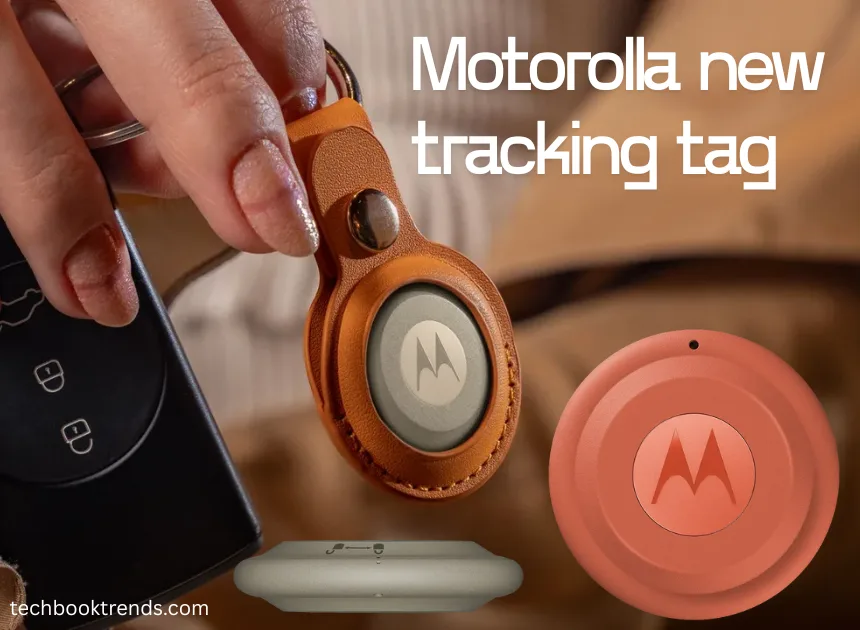
Moto Tag 2 feels like Motorola finally understood what Android users want
Smart trackers aren’t new anymore. Apple made them popular, Samsung refined them, and everyone else has been trying to catch up. Motorola’s first Moto Tag 2 showed promise, but it also felt cautious.
With the Moto Tag 2, Motorola isn’t reinventing the idea — it’s polishing it. And that’s exactly what this category needs right now.
What is Moto Tag 2, really?
At its simplest, Moto Tag 2 is a small Bluetooth tracker you attach to everyday items — keys, bags, wallets, or anything you don’t want to lose.
But the difference this time is how tightly it fits into Android’s ecosystem.
Instead of relying on a separate, clunky app experience, It leans into Google’s Find My Device network, which makes tracking feel more natural and less forced.
You set it up, forget about it, and only remember it when something goes missing.
Setup is refreshingly simple
There’s no long onboarding process here.
Pairing the Moto Tag 2 takes a few taps. Android detects it quickly, walks you through permissions, and you’re done. No unnecessary sign-ups. No confusing settings buried three menus deep.
This is one of those small things that makes the product feel finished.
Tracking performance in daily use
In real-world use, the Tag 2 does what it’s supposed to do — and that’s a compliment.
Location updates are reasonably quick. The connection stays stable indoors. Outdoors, tracking improves noticeably when other Android devices are nearby.
It’s not magic.
But it’s reliable.
And for a tracker, reliability matters more than flashy features.
Sound alerts are loud enough to be useful
If you’ve ever lost keys inside your own house, you know how important sound volume is.
Moto Tag 2’s built-in speaker isn’t ear-piercing, but it’s loud enough to cut through background noise. In a quiet room, it’s easy to locate. Even under a couch cushion, it holds its own.
That’s something cheaper trackers often get wrong.
Privacy feels taken seriously this time
One of the biggest concerns around trackers is misuse. Motorola seems aware of that.
The Tag 2 includes:
-
Anti-stalking alerts
-
Unknown tracker notifications
-
Manual scanning options
If a tracker follows you without permission, Android flags it. This doesn’t make abuse impossible, but it does reduce the risk significantly.
It feels more thoughtful than earlier attempts in this space.
Key features at a glance
| Feature | Details |
|---|---|
| Connectivity | Bluetooth + Android Find My Device |
| Compatibility | Android devices |
| Sound Alert | Built-in speaker |
| Battery | Replaceable, long-lasting |
| Privacy | Anti-stalking protection |
| Use Case | Keys, bags, wallets, accessories |
Battery life and maintenance
Moto Tag 2 keeps things simple.
It uses a replaceable battery instead of a sealed rechargeable one. That might sound old-school, but it makes long-term ownership easier. You don’t have to worry about charging another device or battery degradation over time.
For a tracker, that’s a practical choice.
Design: small, neutral, and forgettable (in a good way)
The design doesn’t scream for attention.
Moto Tag 2 is small, lightweight, and neutral enough to blend in. You won’t feel awkward attaching it to your keys or slipping it into a bag.
It’s meant to disappear — until you need it.
Moto Tag 2 vs Apple AirTag and Samsung SmartTag
Moto Tag 2 isn’t trying to beat Apple at Apple’s own game.
Instead, it focuses on Android users who want:
-
Native system integration
-
No ecosystem lock-in
-
Better privacy transparency
Compared to Samsung SmartTag, it feels more universal. Compared to AirTag, it avoids Apple-only limitations.
It won’t win on brand recognition, but it makes sense where it matters.
Who should buy the Moto Tag ?
The Moto Tag 2 is a good fit if:
-
You use Android as your primary device
-
You want simple, reliable tracking
-
You care about privacy safeguards
-
You don’t want another app-heavy gadget
If you’re deep into Apple’s ecosystem, AirTag still makes more sense. For Android users, though, Moto Tag 2 finally feels like a natural option.
Final thoughts: a quiet but solid upgrade
The Moto Tag 2 doesn’t try to wow you on day one.
Instead, it earns trust over time. It connects easily. It tracks reliably and stays out of your way.
That’s exactly what a smart tracker should do.
Sometimes, the best tech is the kind you forget you own — until the moment you really need it.
Frequently Asked Questions
Yes. You don’t need a Motorola phone. Moto Tag 2 works with most Android devices through Google’s Find My Device network.
For everyday use, yes. Indoors it connects quickly, and outdoors it becomes more accurate when other Android devices are nearby.
It’s better suited for personal items like keys, bags, or wallets. It’s not designed for live tracking of pets or vehicles.
It’s loud enough to hear in a room or under furniture, but it’s not extremely loud outdoors or in noisy areas.
Yes. Android provides unknown tracker alerts and anti-stalking features, which help prevent misuse.
If you use Android, Moto Tag 2 makes more sense. AirTag works best only inside Apple’s ecosystem.
No. There’s no monthly subscription required to use Moto Tag 2.
Editors’ Recommendations
Related Posts
Bose Turns Up the Volume on Home Audio With Its Sleekest and Smartest Lifestyle Collection

Elecom Launches Na Plus: The World’s First 9,000mAh Sodium-Ion Power Bank
3 thoughts on “Moto Tag 2 feels like Motorola finally understood what Android users want”