
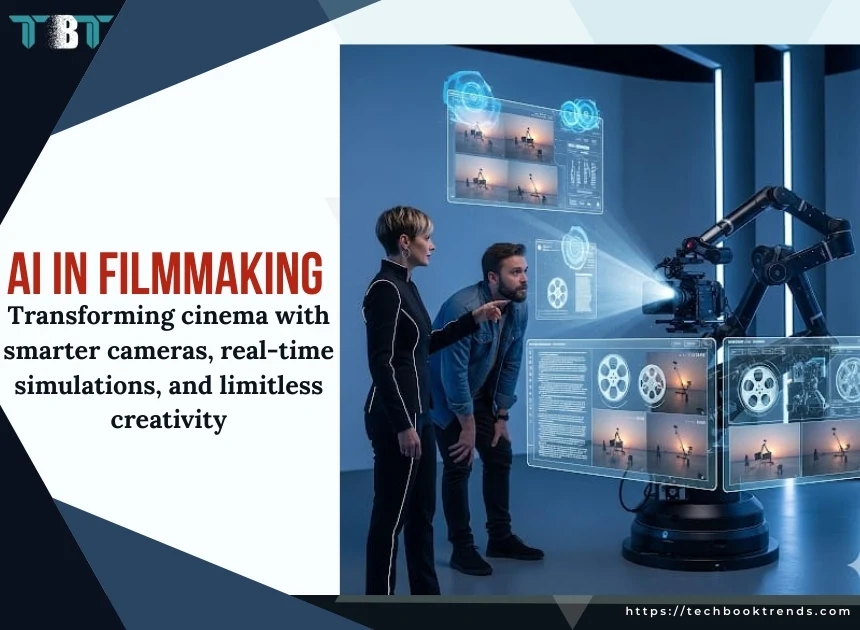
AI in Filmmaking: Shaping the Future of Cinema
AI in Filmmaking is the new reality, and it is no longer science fiction. AI has evolved much, from creating scripts to editing movies; it is becoming a powerful partner for directors, producers, and writers. Industries are experiencing a major shift as big as the jump from silent to sound films.
The question that arises here is, how far can cinema be taken by AI, and what will be the future of storytelling?
From Early Experiments to Modern Cinema
As a concept, John McCarthy was the one who introduced Artificial Intelligence in 1956. He is often called the Father of AI. Besides Filmmaking, AI was also seen as a tool for problem-solving and Computing. With advanced technology, cinema became one of the first Creative Industries who adopted it.
Terminator 2: Judgement Day of the 1990s used machines in film and amazed audiences with lifelike CGI. At present, AI doesn’t enhance the visuals of film; it participates in writing, directing, and also predicts the reactions of the audience.
AI in Filmmaking 2025: A Turning Point
This year, 2025, is special, as it is proving to be a milestone. AI is making Studios and independent creators rely on it for speeding up production and reducing costs. For example, Warner Bros. experimented with AI tools that analyze scripts and forecast box office performance.
Former CEO of Warner Bros, Ann Sarnoff, explained that AI helps balance financial strategy with creativity. “It’s not about replacing filmmakers, it’s about giving them better data,” she said. This shows the blend of Art with Analytics.
How AI in Filmmaking Helps in Scriptwriting
Screenplay writing is a very long process. ScriptBook AI system analyzes thousands of scripts and also offers suggestions for different things like plot development, dialogue, and pacing. The writer gets feedback instantly on whether their story arc will keep the audience hooked or not.
But the key is, the imagination of the writer will not be replaced by AI. Instead, it acts like a brainstorming partner that offers fresh perspectives, variations in dialogues, or alternative endings.
The Future of AI in Filmmaking
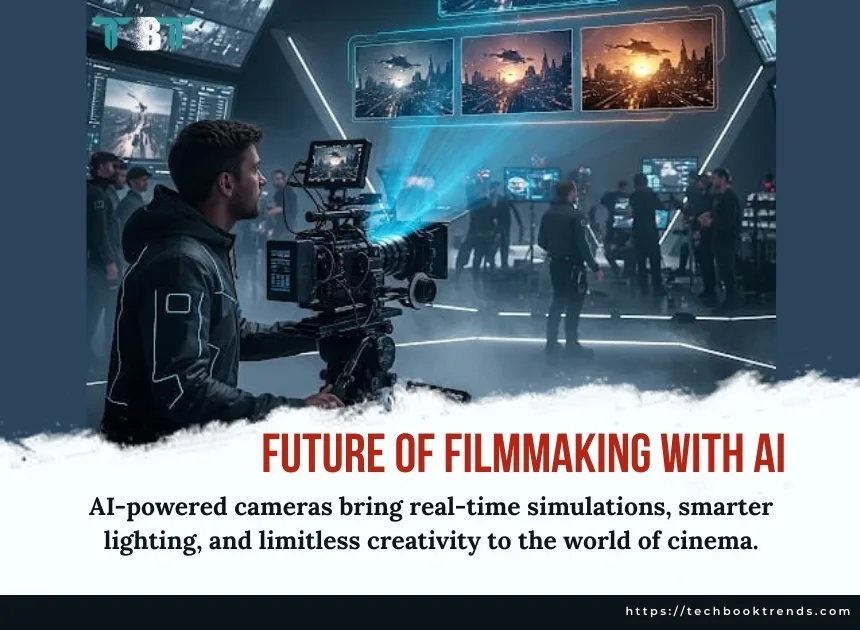
AI’s filmmaking future is moving forward towards real-time collaboration. AI doing different things like adjusting lighting, suggesting camera angles, or generating realistic background characters is not a distant dream; it has already been tested.
CEO of Alphabet, Sundar Pichai, once said, “AI is more profound than electricity or fire”. This means, in cinema, AI could change the very foundation of storytelling. Just like the old times when sound and color transformed films, now it is time for AI to become the next revolution.
AI in Filmography: Smart Cinematography
To explore new creative angles, cinematographers started using AI. Cameras of AI can track faces, stabilize shots, and also predict how a scene will look under different lighting. This saves much time, reduces budget pressures, and also allows more experimentation on set.
For example, instead of arranging multiple test shots for one scene, the entire scene and show can be stimulated by AI to know how it will appear on screen. This will work as a game-changer for filmography.
AI in Cinema: A New Audience Experience
AI is reshaping both how the films are made and how they are watched by the audience. Many Streaming platforms use AI to recommend films that perfectly suit each viewer, like Netflix, Disney+, and Amazon Prime.
Possibilities are taking some very amazing steps forward. Some companies are experimenting with AI for their interactive storytelling. AI in cinema will make every viewing experience a unique one.
Ethical Questions in AI Filmmaking
Not everything is smooth and good. Some people worry that AI might lead to originality taking a back seat, and only formula-based films will be there. There are concerns among Writers and Actors about AI creating scripts or digital characters without proper recognition or payment.
There are debates already in Hollywood about AI-generated likenesses of actors. The key issue is the balance of using AI as a tool and not as a replacement for human creativity.
Voices from the Industry about AI in Filmmaking
Once Reed Hastings, the Co-founder of Netflix, described that it will act as “Superpowers” for creators if they use AI in entertainment. How AI should be seen is highlighted in his words, not as a Threat but as an Assistant that will expand creative potential.
Director Christopher Nolan emphasized that technology should serve storytelling and not just dictate it. The thing people should remember from his perspective is that no matter how advanced AI will become, humans can only give the emotional connection.
Conclusion: A Creative Partnership
AI is not here to steal, it is here to share the spotlight. AI is pushing cinema into a bold new era, from Scriptwriting to Cinematography, Documentary Editing to Audience Engagement. Collaboration will define the future of AI in filmmaking. Repetitive Tasks will be handled by Machines, and bringing imagination, emotion, and culture to the screen will be done by humans. The excitement and debate brought after a great leap in cinema history, now AI is the latest chapter in the story of film.
One thing is for sure that movies will never be the same again.
You can also read these:
Best Budget Laptops to Buy in Big Billion Days.
Best Budget Smartphones to Buy in Big Billion Days.
FAQs:
Ans- The “Best” filmmaker depends on the needs, but leading options include Runway for advanced creative control and stylized output, Google Veo/Veo 3 for high-quality, Cinematic Footage with sound, and Kling and Sora for realistic video generation.
Ans- No, AI is not expected to replace the filmmakers, AI will ease their work,
Ans- Yes, Revid AI offers a selection of free tools for users to create videos, such as the AI TikTok Video
One thought on “AI in Filmmaking: Shaping the Future of Cinema”